Swirl marks, Scratches, and Haze
Professional Paint Correction in North Lakes, Queensland
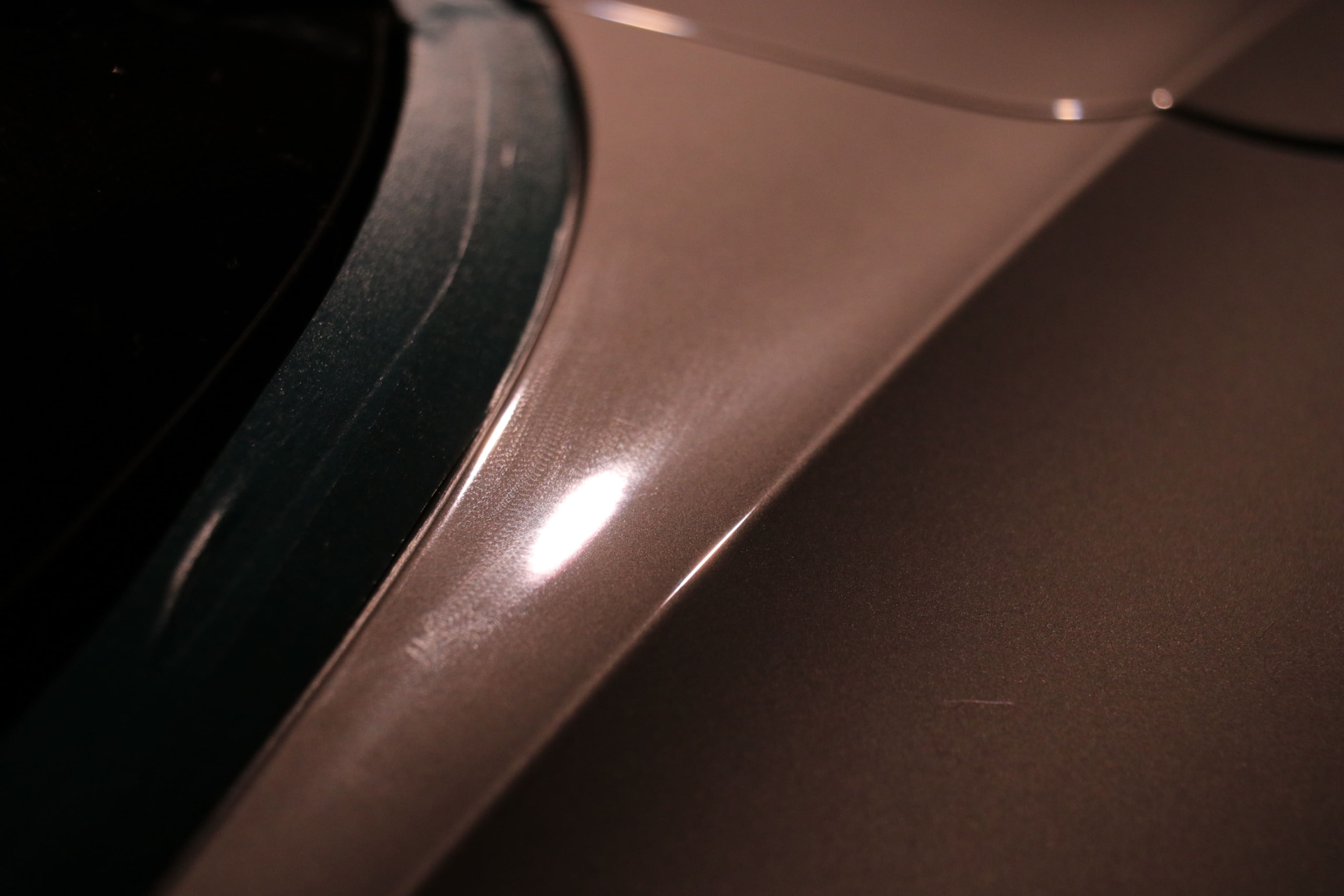
Paint Correction for Restoring True Finish Clarity
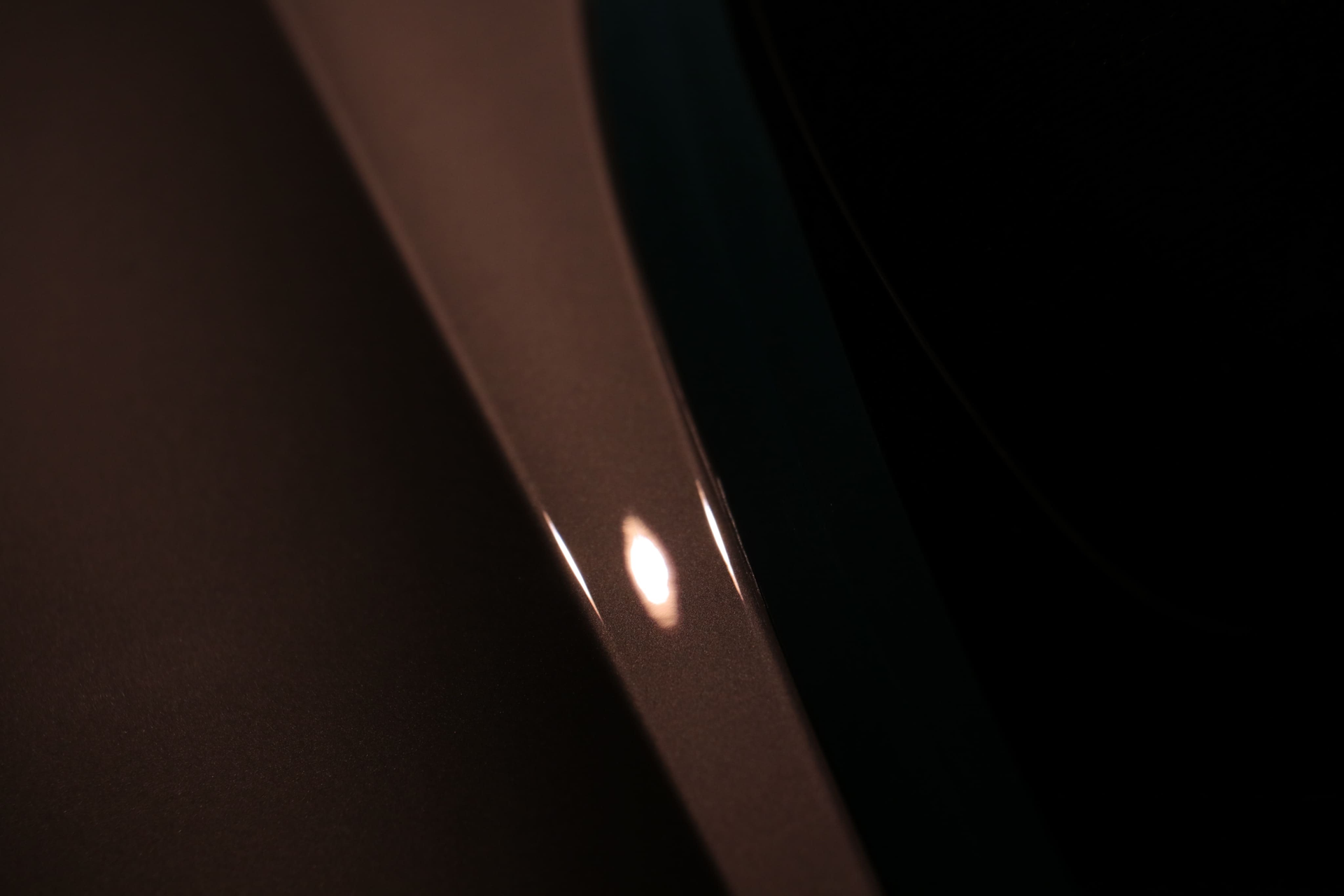
Owners who care about the condition of their vehicle often notice the finish changing first. A car that once carried sharp reflections and deep colour starts to look slightly softer under certain lighting. Dark paint no longer appears quite as rich and metallic finishes don’t pop the way they used to. What you are seeing is the gradual accumulation of surface defects in the vehicle’s clear coat.
Washing, drying, dealership preparation and everyday use all leave subtle marks behind. Over time, those marks scatter light across the surface, dulling the clarity the paint once had.
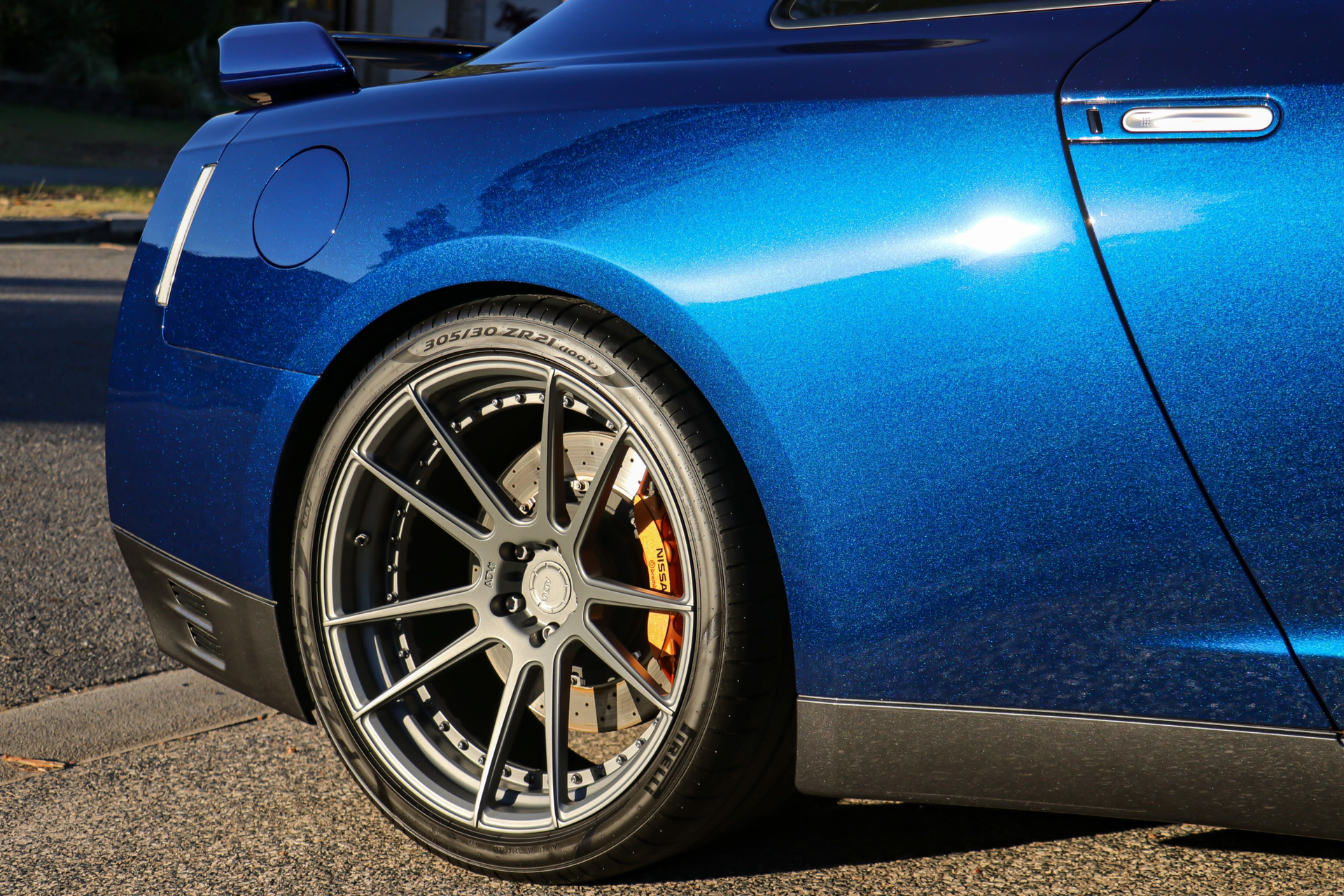
Paint correction is the process used to reverse that change.
By carefully refining the upper layer of the clear coat, these accumulated defects can be removed, restoring depth, reflection and uniformity to the finish. When carried out correctly, the paint returns to the standard it was originally capable of, ready to be maintained and protected properly moving forward
Flash Paint Correction Packages
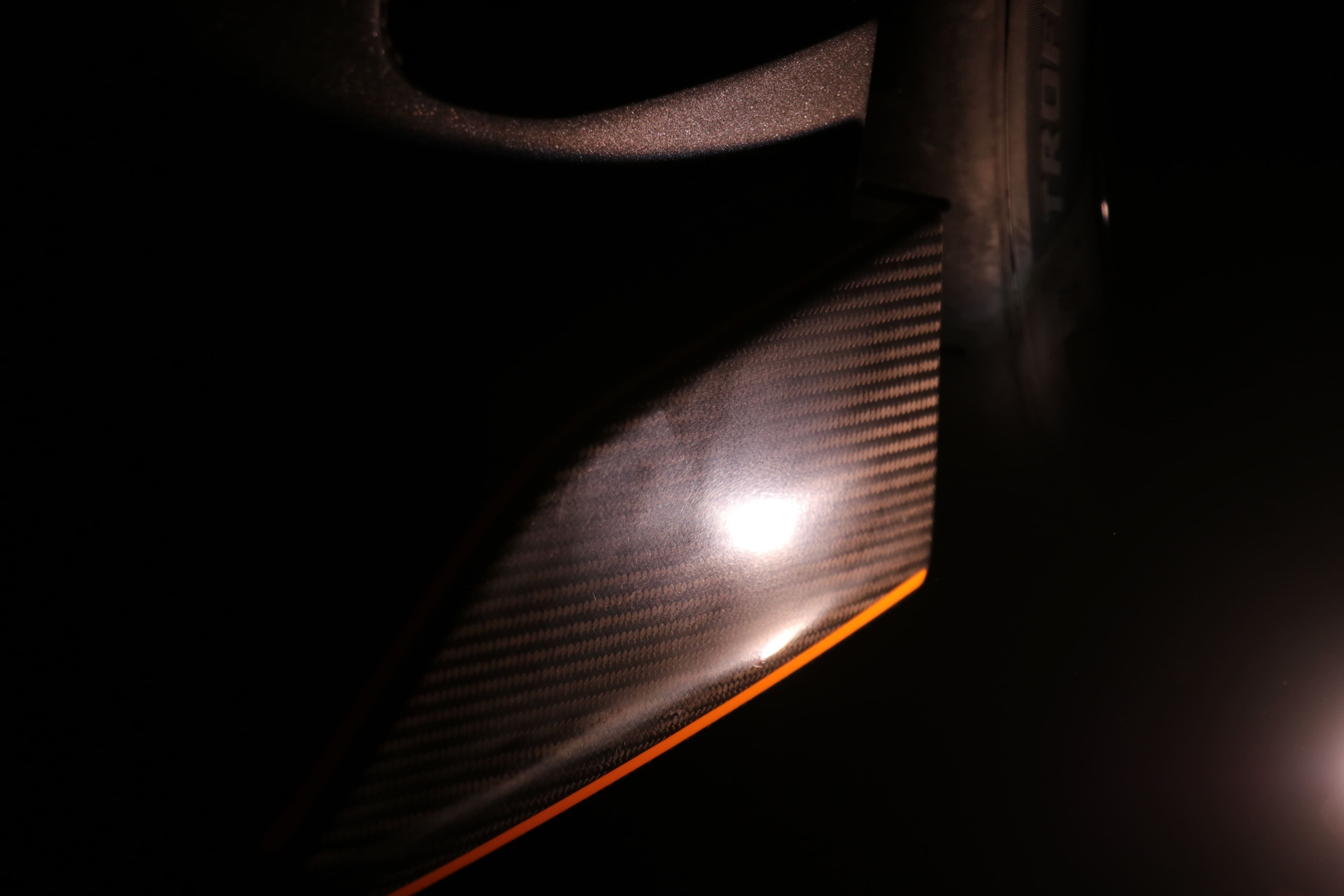
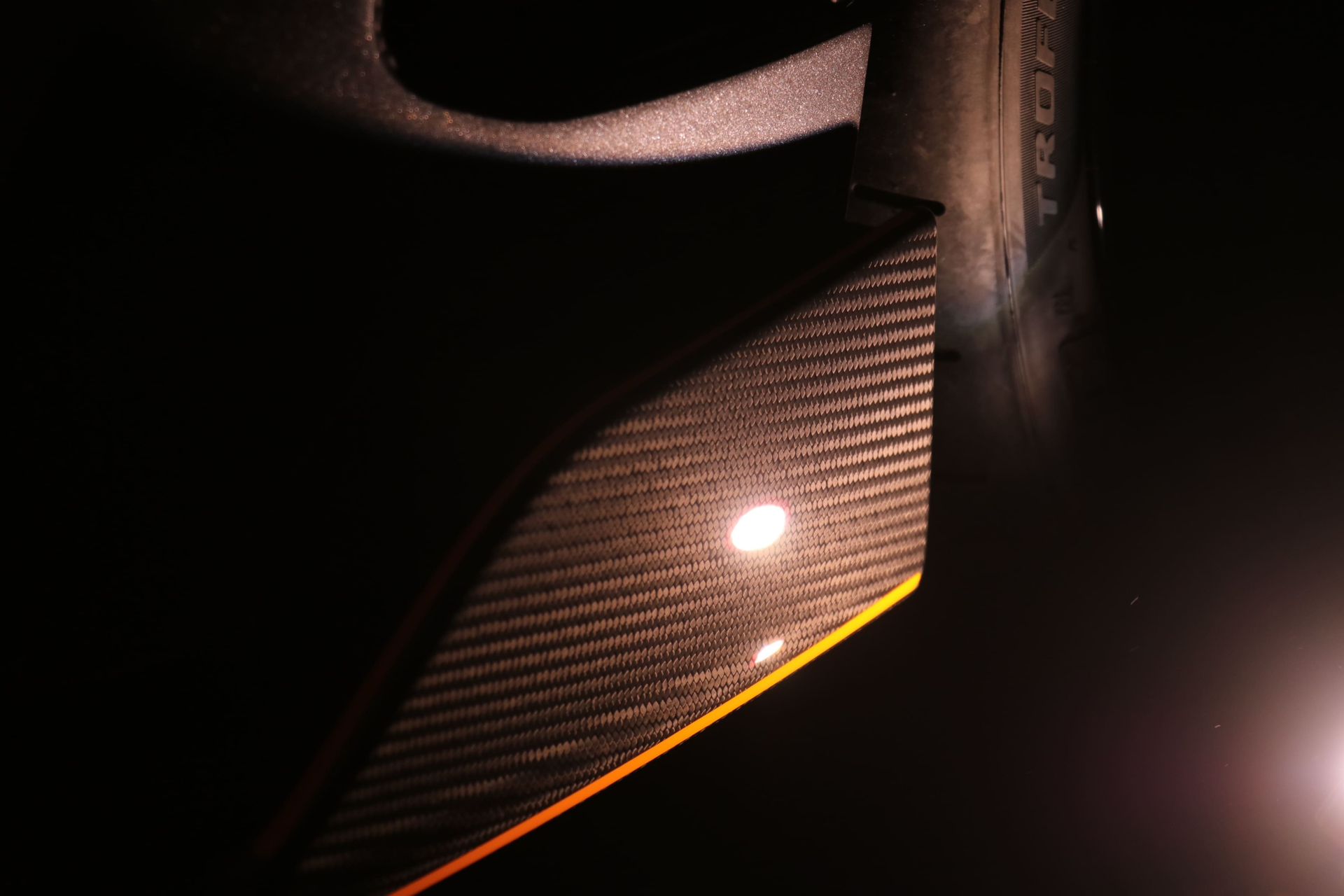
PAINT ENHANCEMENT
Starting at $1,000
Turnaround: 1 Day
Think of this as a facelift for your vehicle’s paintwork rather than a full paint correction. This service improves gloss and clarity while reducing light swirl marks and surface defects.
This Package Includes:
- Exterior detail and safe wash
- Full paint decontamination
- Single-stage machine polishing
- Up to 50%+ defect removal
- Paint sealant protection
- Premium wax finish
MULTI-STAGE PAINT CORRECTION
Starting at $2,200
Turnaround: 2-3 Days
Our multi-stage paint correction is designed to restore the clarity, depth, and gloss of your vehicle’s paintwork. Using a combination of cutting, refining, and finishing stages, we remove the majority of swirl marks, scratches, and paint defects before protecting the surface with a ceramic coating.
This Package Includes:
- Safe wash and exterior detail
- Full paint decontamination
- Multi-stage machine correction (cutting, polishing, and refining)
- 75–90%+ defect removal depending on paint condition
- Professional ceramic coating protection
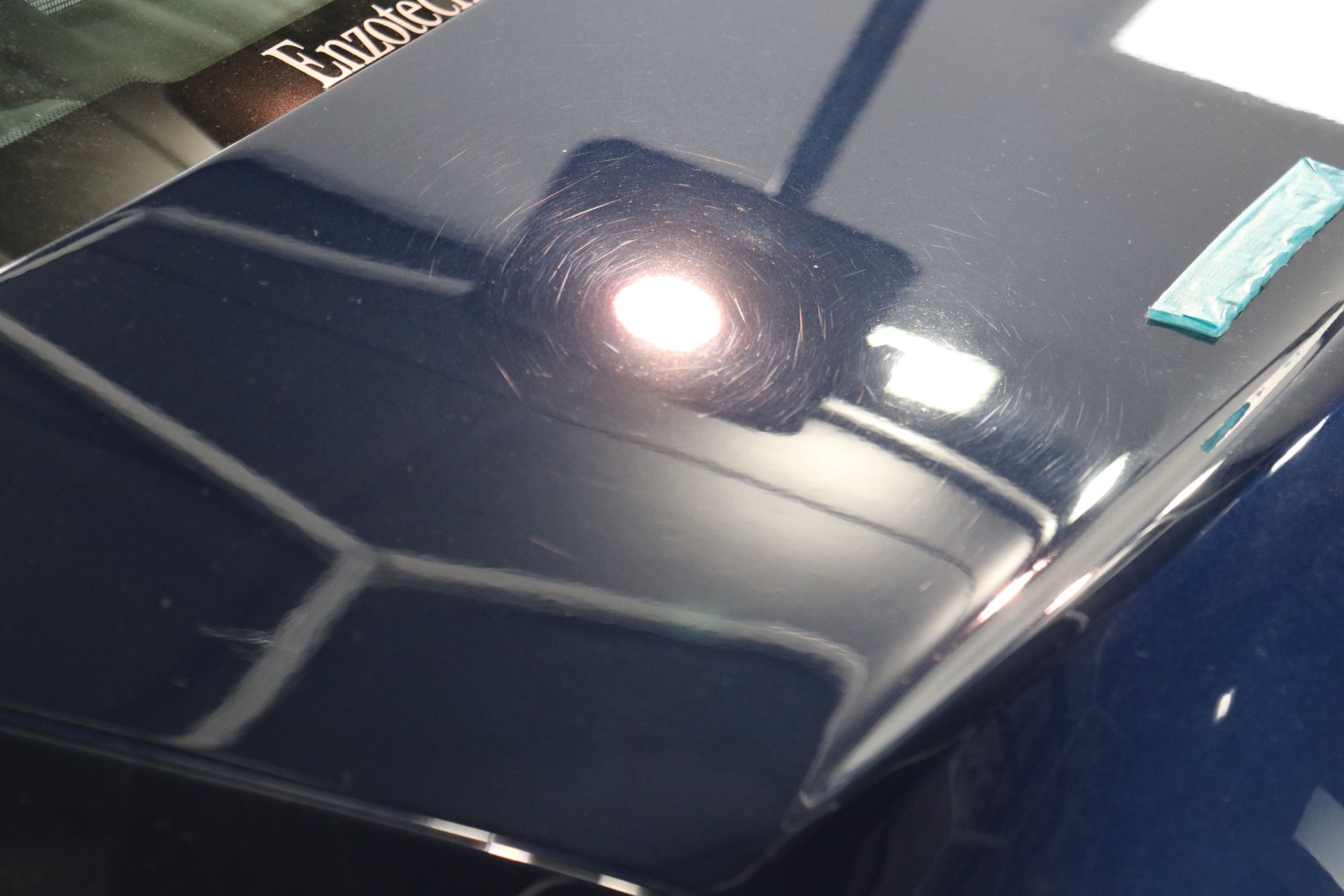
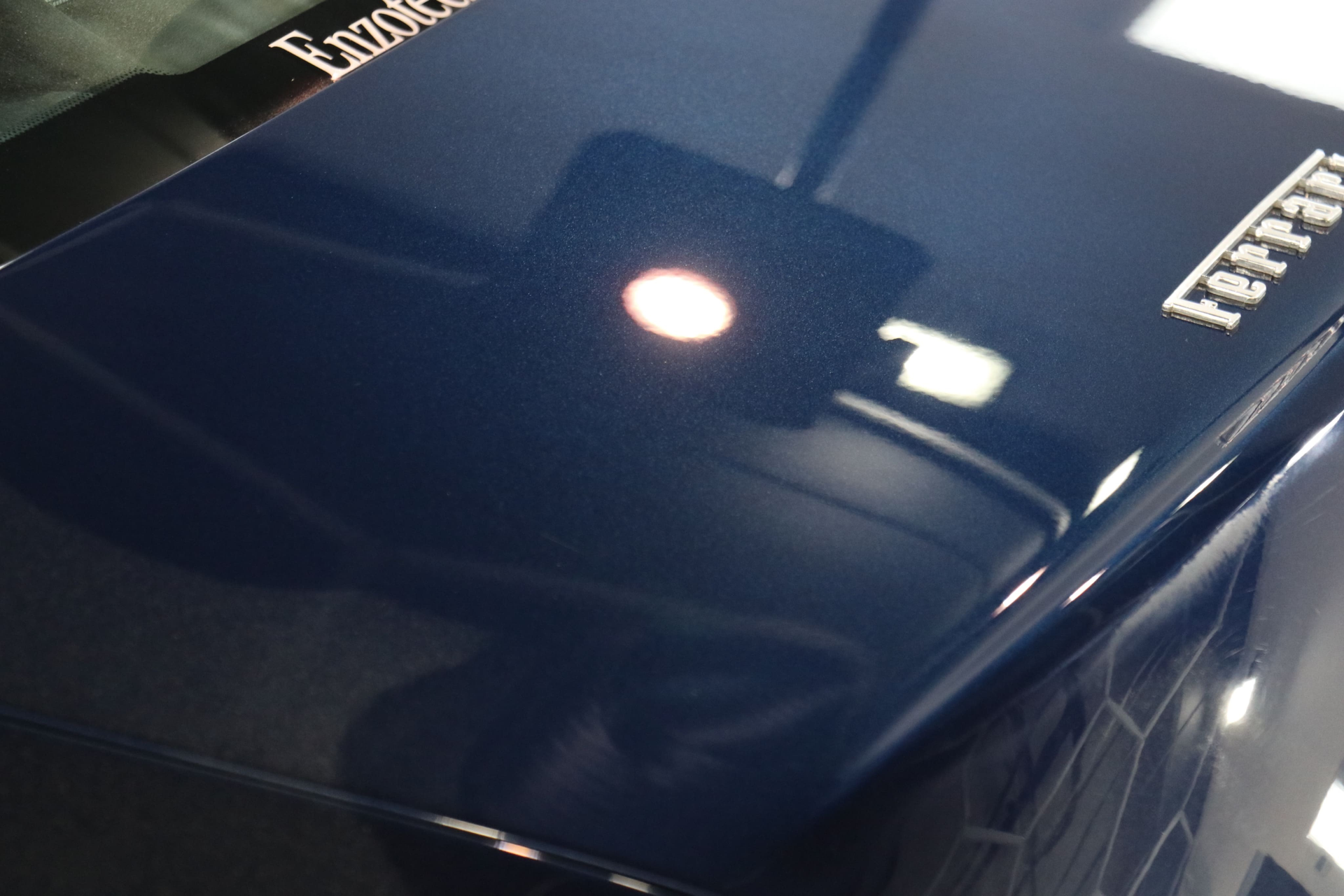
Understanding Paint Correction
Paint correction focuses on the condition of the vehicle’s clear coat itself.
Automotive paint consists of several layers, with the outermost layer known as the clear coat. This transparent layer is responsible for the depth, gloss and reflection owners see when they look at the finish. When that surface becomes marked with swirl marks, scratches or oxidation, the paint no longer reflects light cleanly.
Paint correction addresses this by refining the clear coat through controlled machine polishing. Rather than concealing defects with temporary fillers, the process carefully removes a microscopic amount of the damaged surface, allowing the paint to return to a smoother and more uniform state.
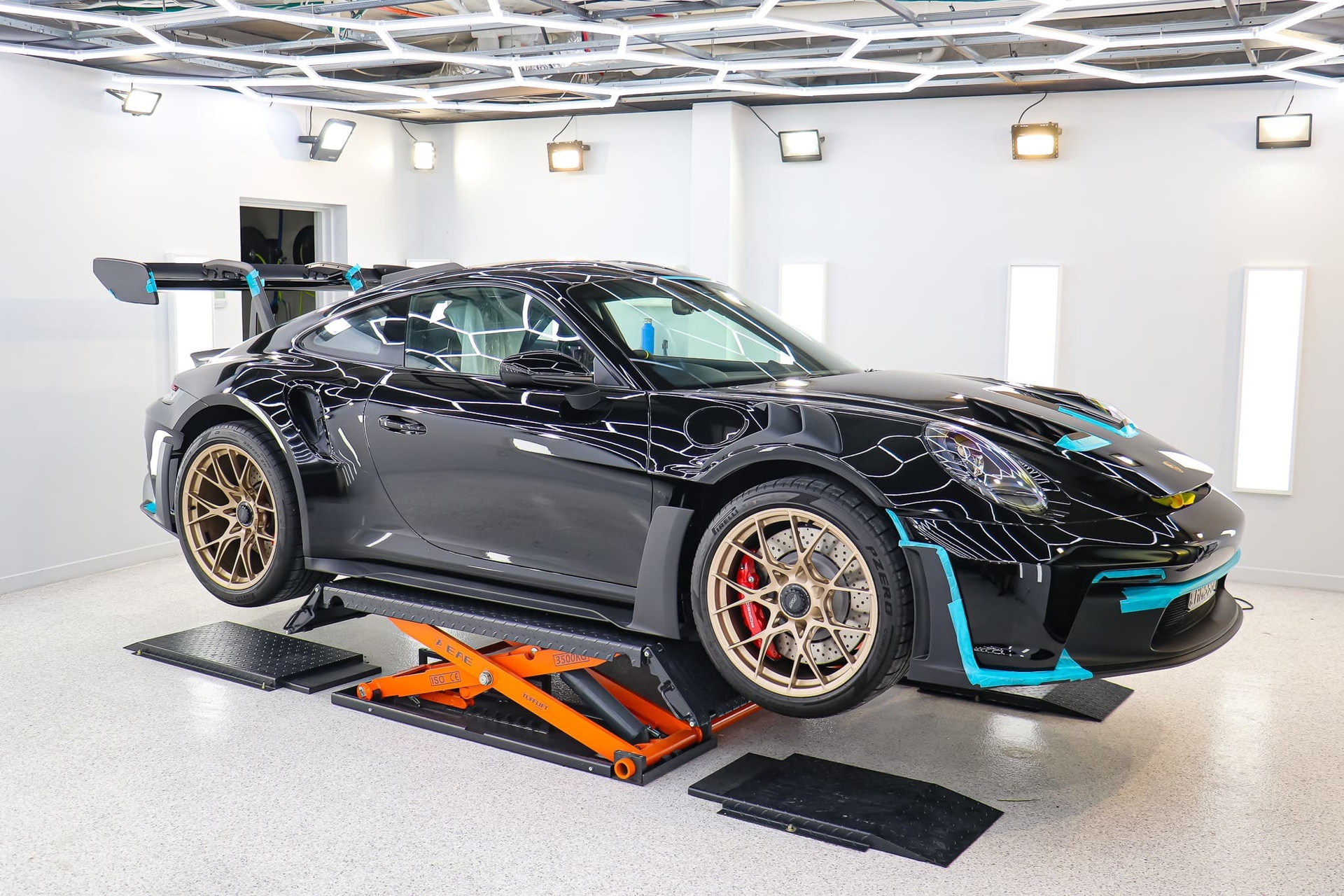
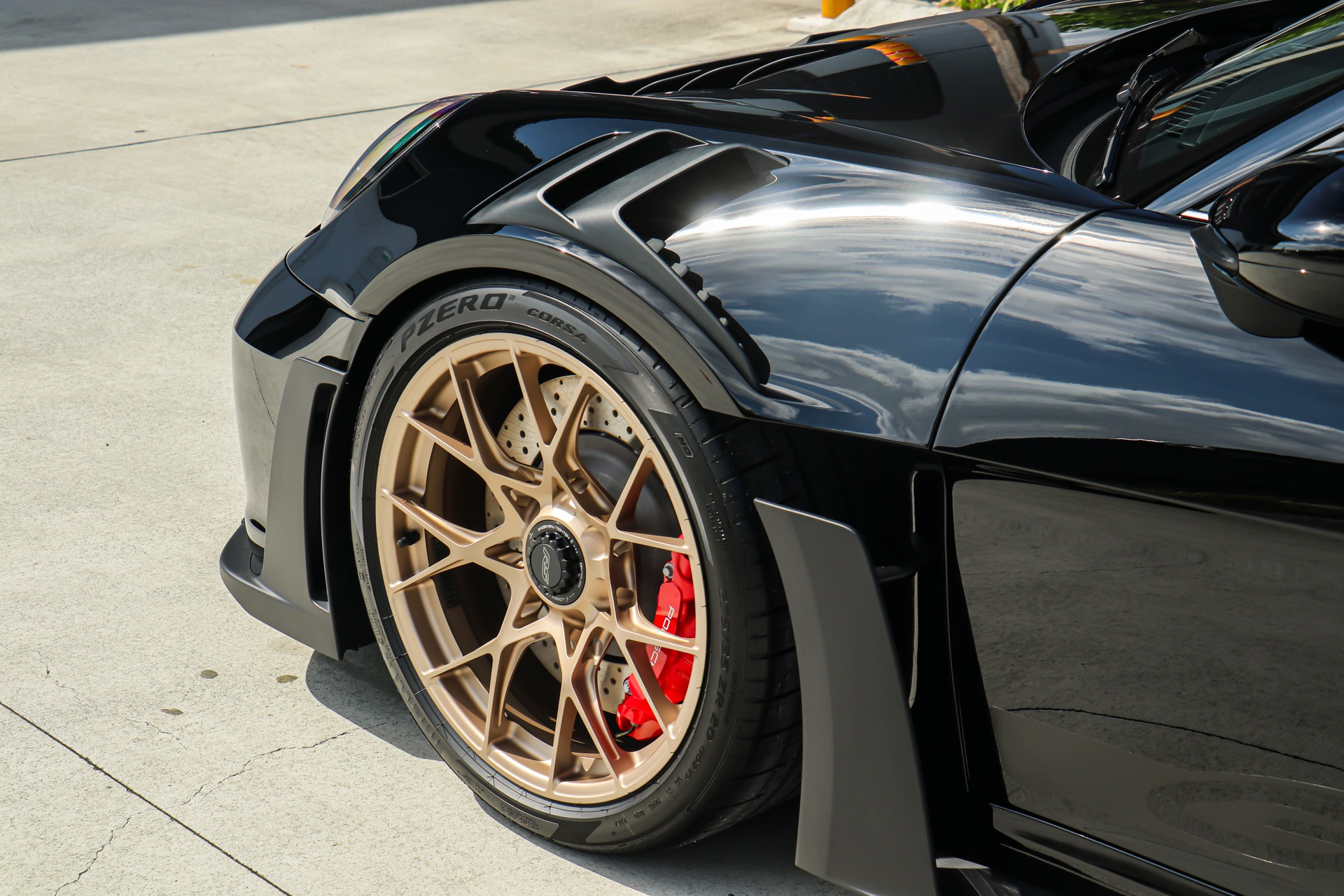
Because every vehicle’s paint system behaves differently, correction work must be tailored to the surface being treated. Some finishes respond quickly to light refinement, while others require multiple polishing stages to achieve the desired result.
When performed correctly, paint correction restores the clarity and definition of the finish while preserving as much of the original clear coat as possible. It also creates the proper foundation for long-term protection systems such as ceramic coatings or paint protection film, allowing those products to bond to a properly prepared surface.
Why Car Owners Across North Lakes Trust Flash Detailing
Correcting paint properly takes more than a polishing machine. It takes judgment.
Every vehicle arrives with a different history. Some finishes have been carefully maintained. Others arrive with accumulated swirl marks, light scratching, or previous correction work. Understanding how far the paint can be refined without compromising it is part of the craft.
At Flash Detailing, that work is approached with restraint. Paint correction removes a small amount of the vehicle’s clear coat, which means every decision matters. Removing too much clear coat in pursuit of perfection can permanently compromise the finish's long-term integrity.
The goal is not aggressive polishing or chasing unrealistic perfection. It is careful refinement that improves the finish while preserving as much of the original paint as possible. Owners trust us with that responsibility because the approach stays the same regardless of the vehicle: careful evaluation, patient refinement, and results that respect the integrity of the paint.
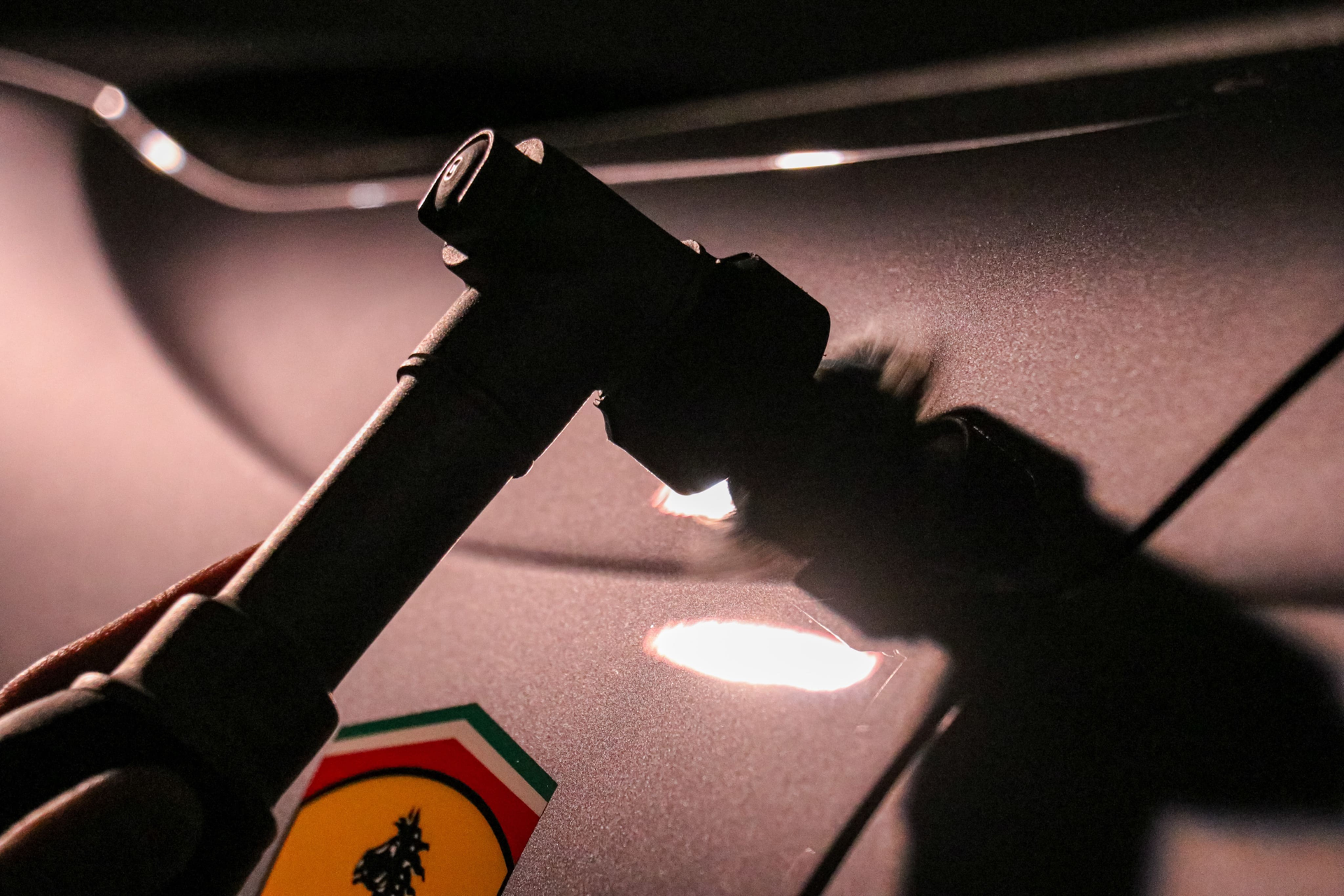
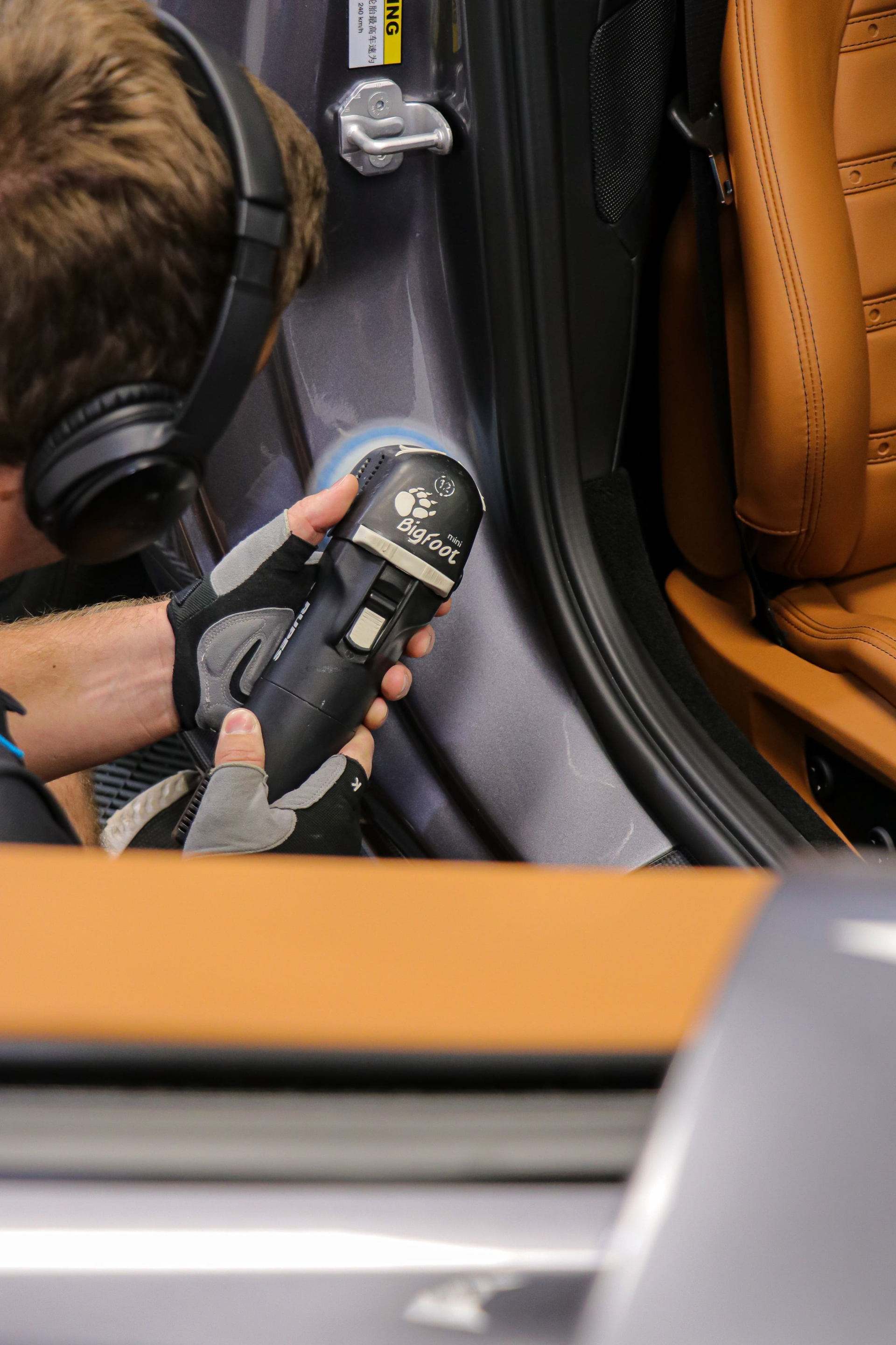
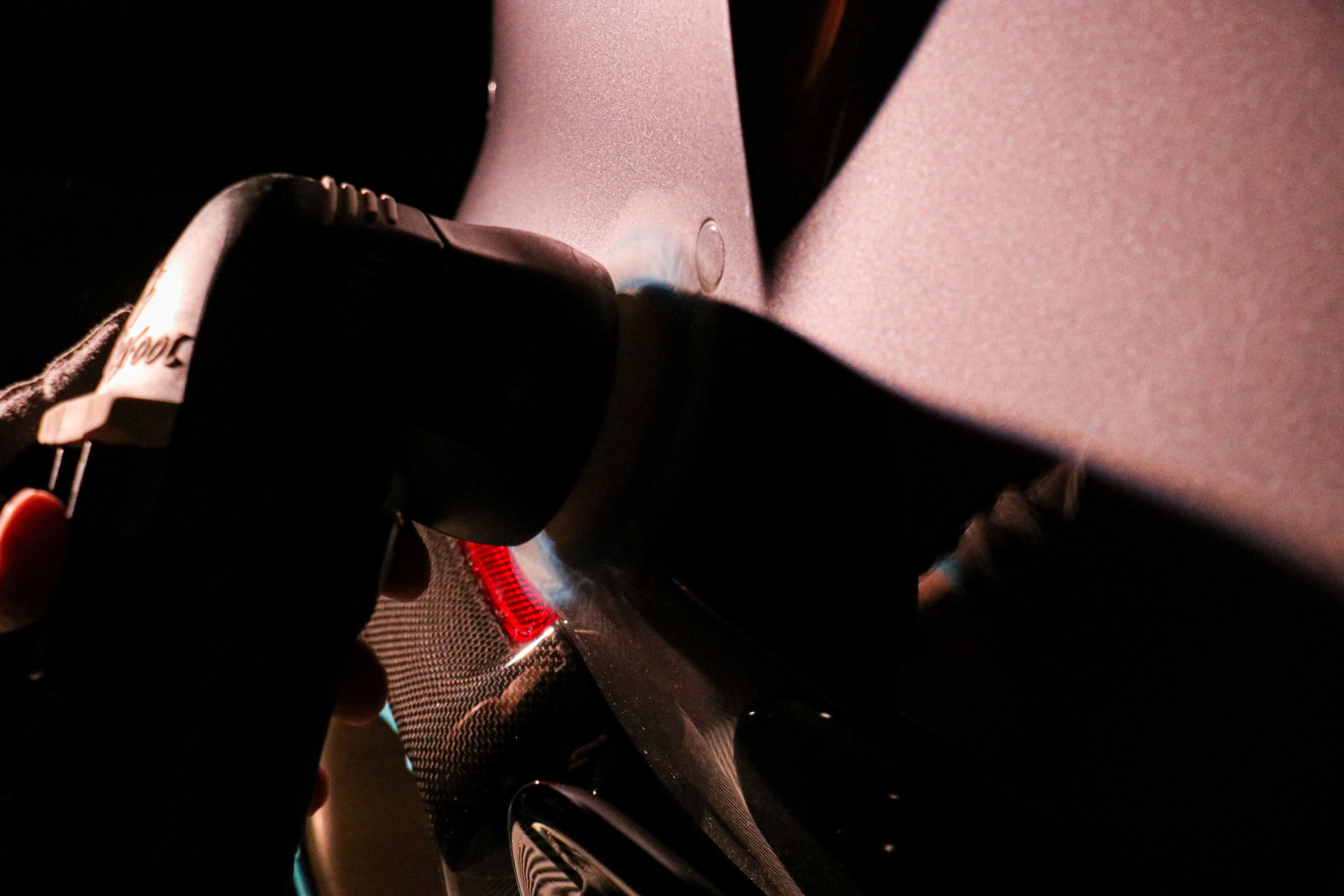
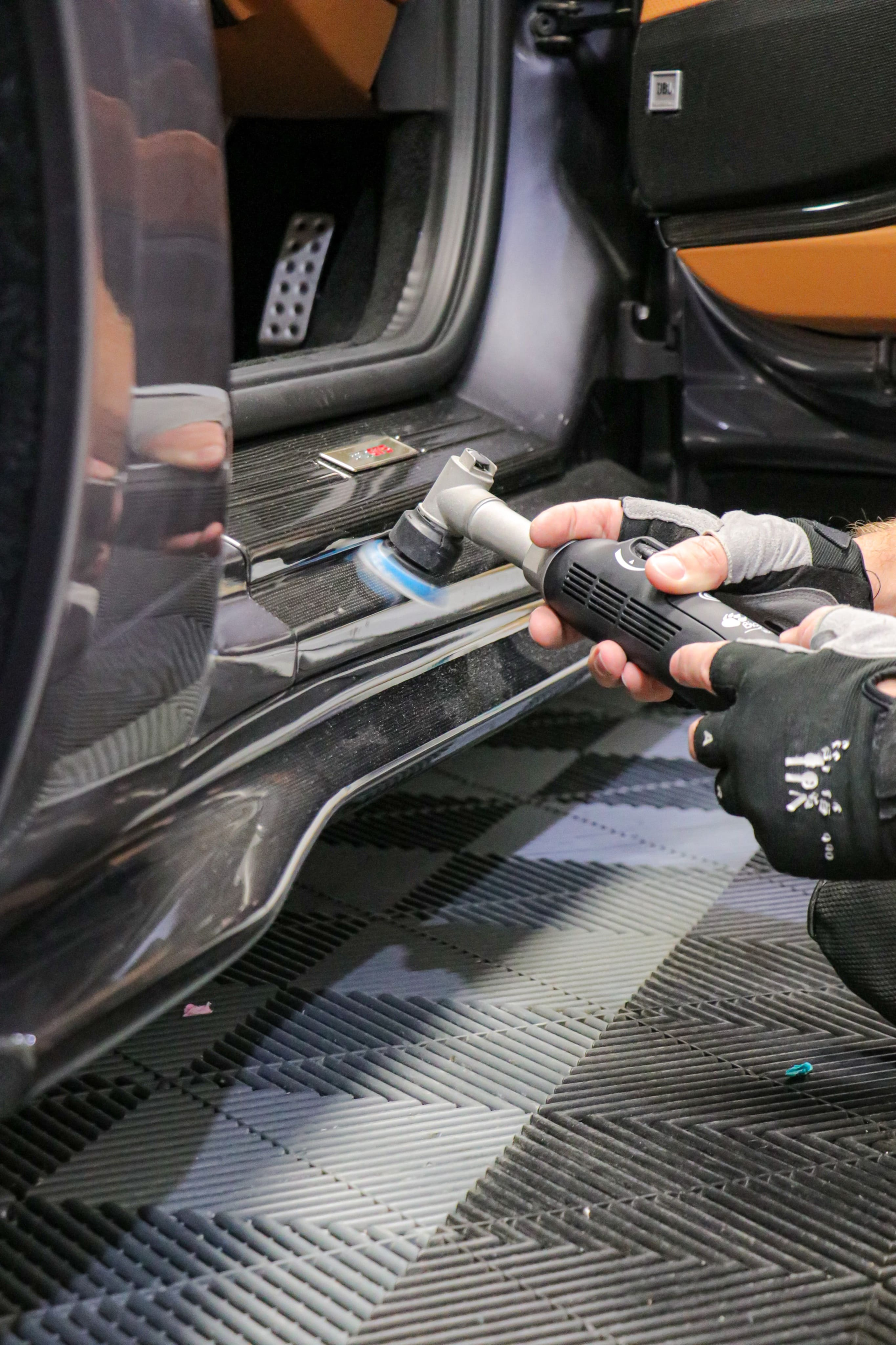
Flash Detailing’s Paint Correction Process
Our paint correction follows a structured process designed to improve the finish while protecting the long-term condition of the clear coat. Each stage is carried out inside our North Lakes studio under controlled lighting so the true condition of the paint can be evaluated throughout the entire process.
Inspection and Paint Assessment
Every correction begins with a detailed inspection of the paintwork. Under calibrated lighting, we evaluate the condition of the finish and identify the types of defects present. Paint thickness readings are also taken so we understand how much clear coat is available before any correction work begins
Wash and Surface Decontamination
Before polishing can begin, the paint must be properly cleaned. The vehicle is thoroughly washed and decontaminated to remove bonded contaminants such as iron particles, road fallout, and mineral deposits. This ensures the surface is smooth and safe to work on before any machine polishing.
Paint Correction and Defect Removal
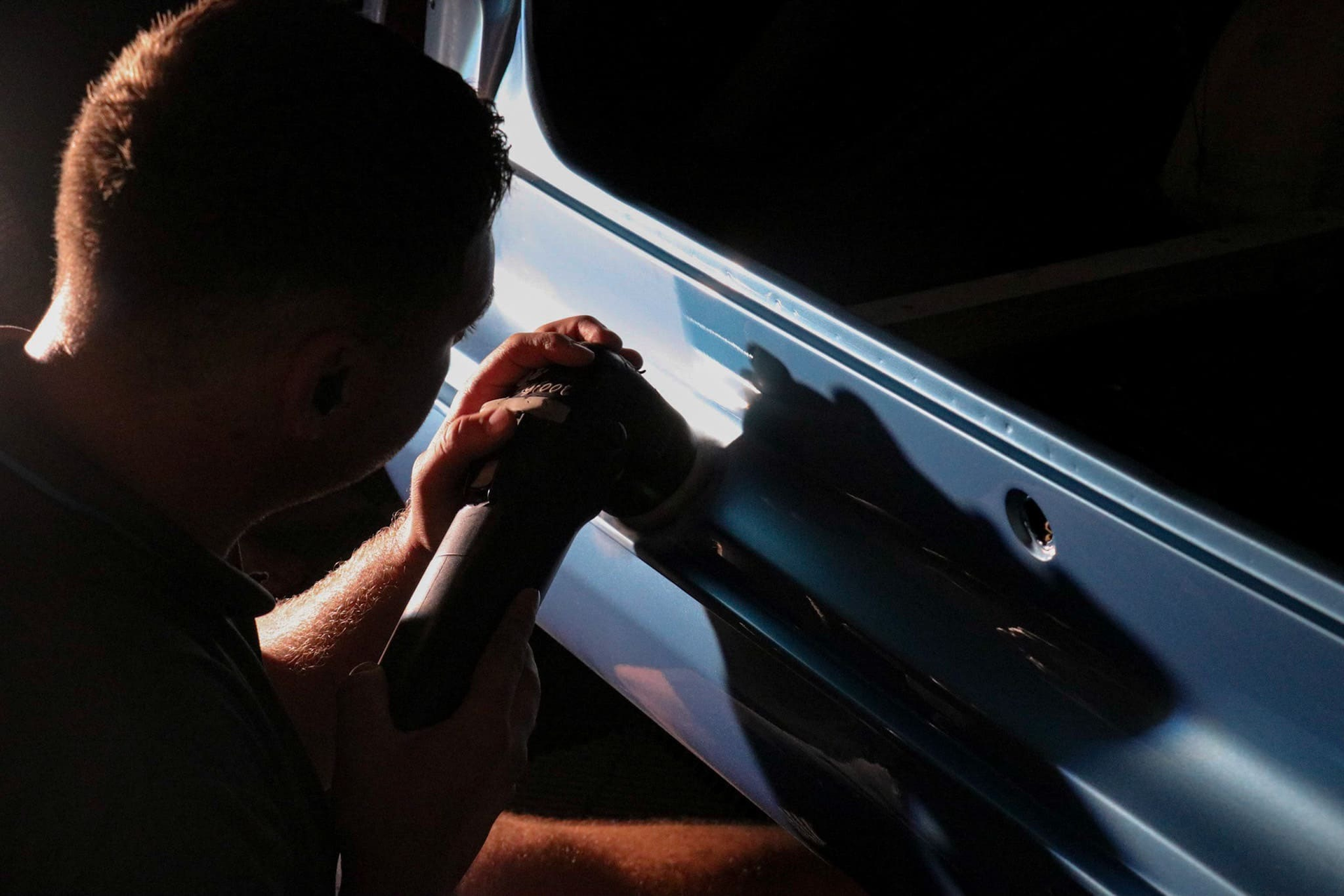
Once the surface has been prepared, machine polishing is used to refine the clear coat and remove surface defects. Compounds, pads, and polishing techniques are selected based on the paint system and the level of correction required. The work is carried out methodically, panel by panel, until the finish reaches the targeted level of correction.
Final Refinement and Protection
After the heavier correction stages are complete, finer polishing steps refine the finish further, ensuring reflections appear clean and consistent across the vehicle.
With the paint fully corrected, the surface is now in its best condition. At this stage we protect the finish with a paint sealant, wax, or
ceramic coating.
Flash Detailing Paint Correction FAQs
How long does paint correction take?
The time required depends on the size of the vehicle, the condition of the paintwork and the level of correction being carried out.
Lighter enhancement work may be completed within a day, while multi-stage correction typically requires two to three days. Each stage of polishing, inspection and refinement takes time to complete properly, particularly on darker paint colours or softer clear coats where defects are more visible under lighting.
For this reason, vehicles are scheduled with the time required to carry out the correction carefully rather than rushing the process. The goal is a finish that holds up under proper inspection, not simply one that looks acceptable at a quick glance.
Will paint correction remove all scratches?
Paint correction can remove most swirl marks and many lighter surface scratches. These types of defects sit within the upper portion of the clear coat and can be refined through machine polishing.
However, not every scratch can be removed safely. If a defect extends deeper into the clear coat, fully removing it would require removing too much of the clear coat itself. In these cases, the scratch can usually be improved significantly and made far less noticeable rather than eliminated entirely.
During the initial inspection, the paintwork is evaluated under calibrated lighting inside our North Lakes studio. This allows us to clearly identify the depth and type of defects present so we can determine what level of correction is realistic while preserving the long-term health of the finish.
How do I maintain the finish after paint correction?
Maintaining the finish comes down to proper washing and drying practices. Using quality wash products, clean microfiber towels, and safe washing techniques helps prevent new swirl marks from developing over time. Many owners also choose to apply a ceramic coating after correction, which helps the surface remain easier to clean while maintaining the clarity achieved during the paint correction process.
Is paint correction suitable for older or collector vehicles?
Yes, although the approach depends heavily on the condition and history of the paintwork. Older vehicles may have thinner original paint, previous repaint work, or single-stage paint systems rather than modern clear coats. Because of this, the paint must be inspected carefully before any correction begins. Paint thickness readings and proper lighting help us understand what the surface can safely withstand. In many cases, the goal is to refine the finish and reduce visible defects while preserving as much of the original paint as possible.
